

October 19, 2026
ARPHost
Using Mac Mini as a Server: Practical Setup and Operations
A Mac mini can be a capable server when its workload fits the memory and storage you choose at purchase,…
Read MoreLatest news, tutorials, and updates from ARPHost
A Mac mini can be a capable server when its workload fits the memory and storage you choose at purchase,…
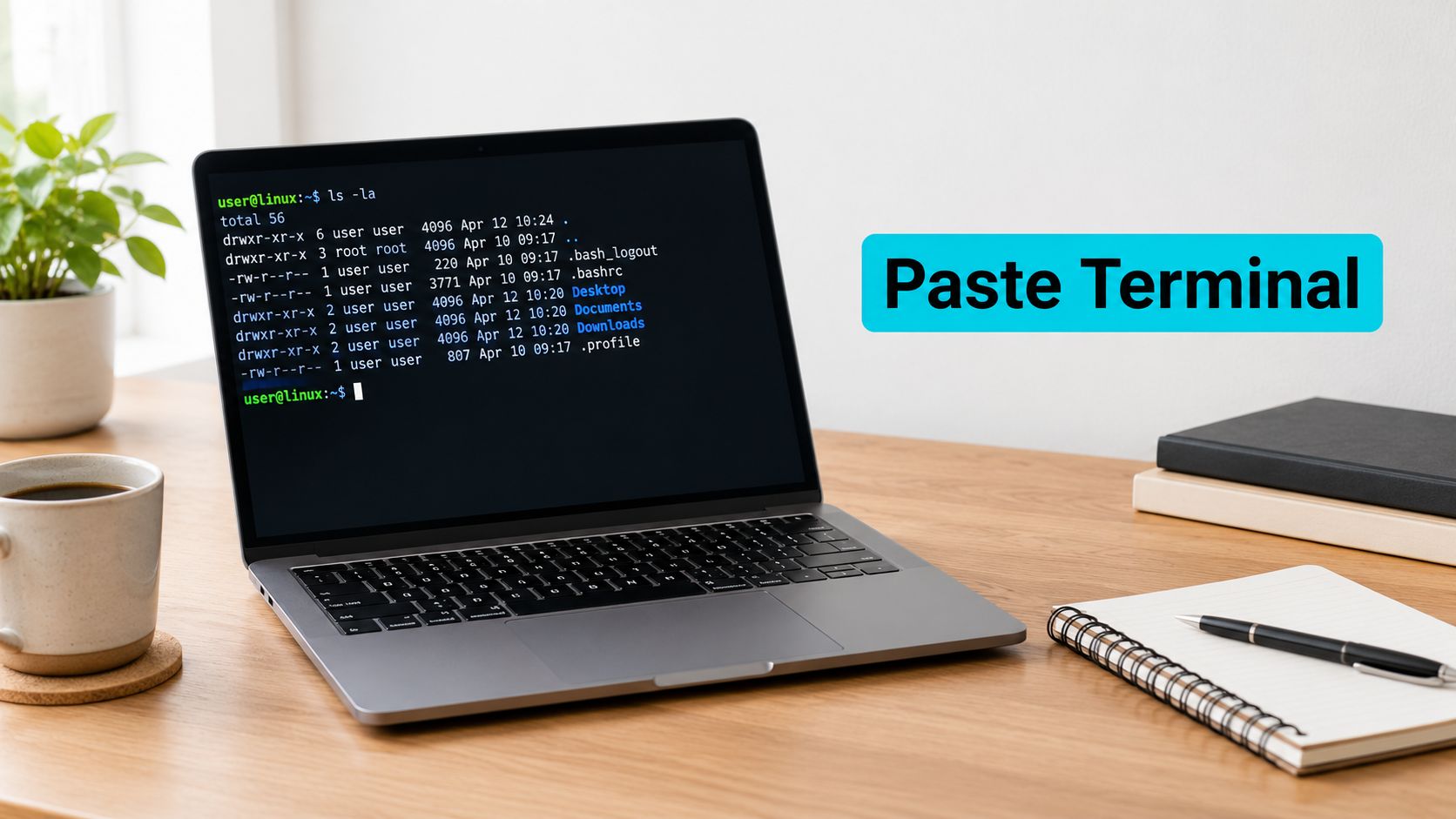
Read MoreYou've got a command in a chat window, an SSH prompt waiting, and Ctrl+V does nothing. In GNOME Terminal, use…
Read MoreA backup job can fail on a Linux host that looks just like its neighbors, or complete without giving you…
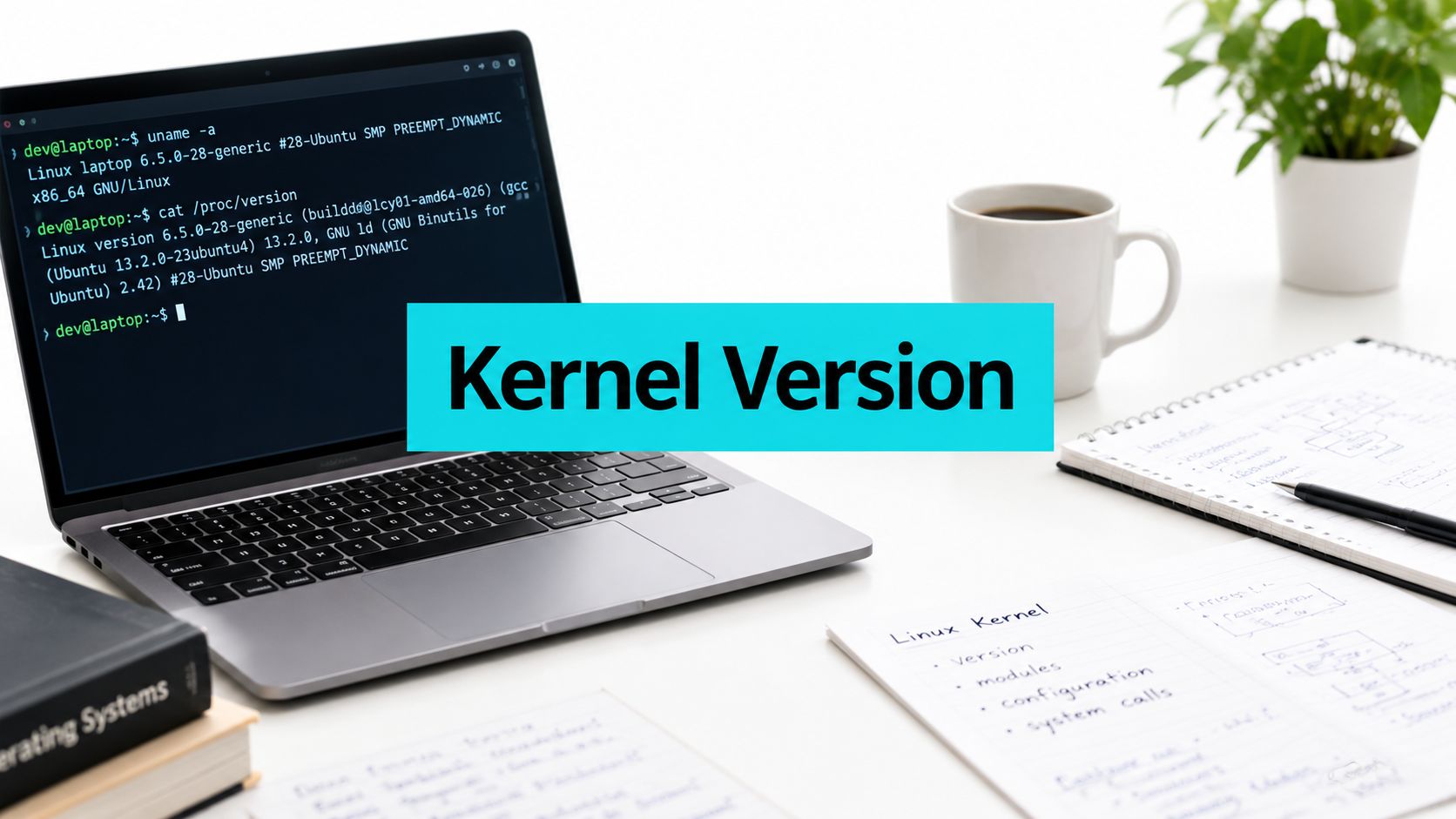
Read MoreYou're staring at a Linux box that's already under load, and someone wants the kernel version now because a driver,…
Read MoreMost production systems carry a plain-text identity file at /etc/os-release. Read it correctly and you get a reliable fingerprint for…
Read MoreRun tracert target on Windows, traceroute target on macOS, or traceroute target on Linux. Windows waits up to 4,000 milliseconds…
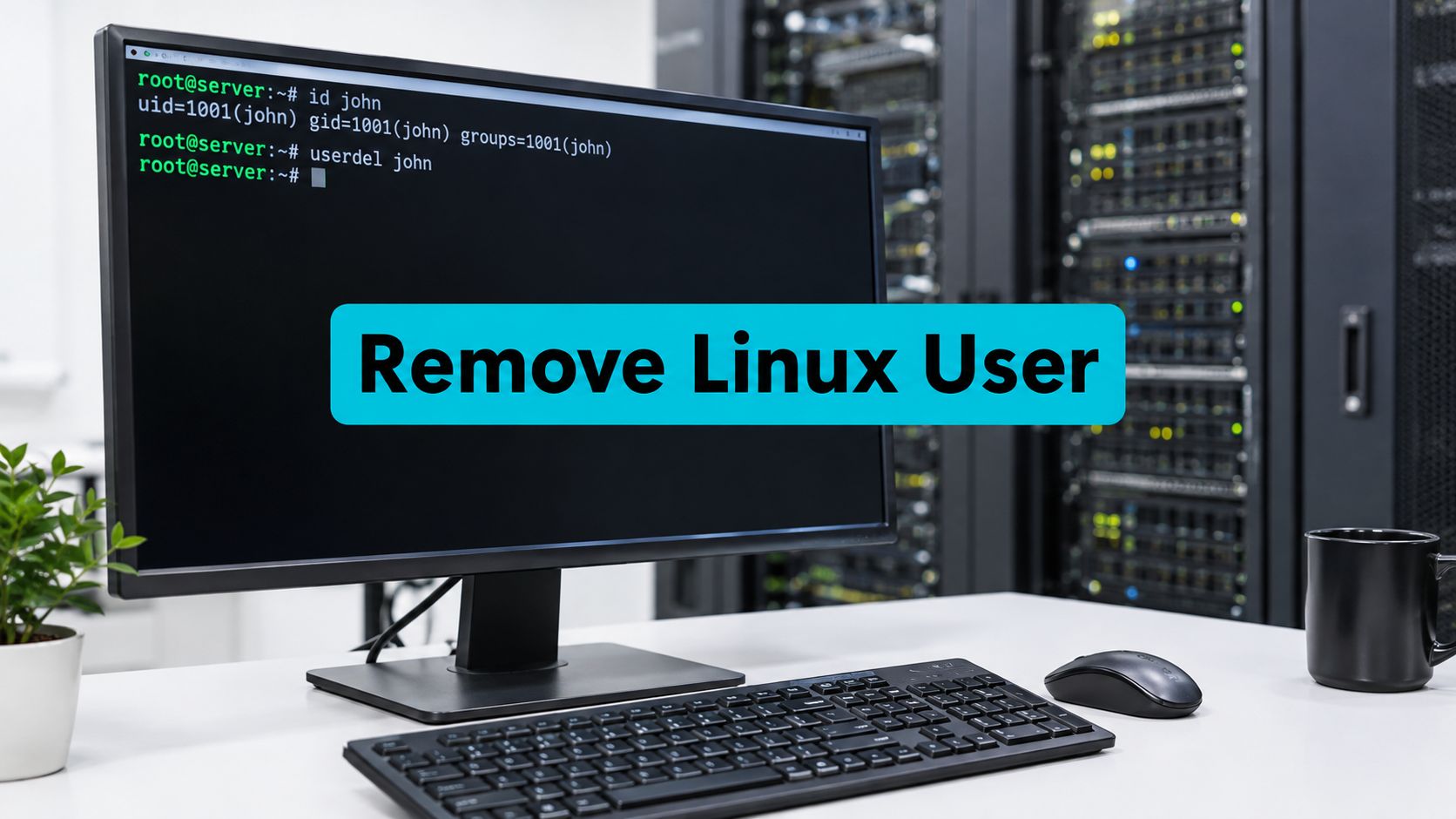
Read MoreSafely deleting a user in Linux requires terminating active sessions with loginctl, auditing file ownership by numeric UID, and then…
Read MoreThe uplink is full, firewall CPU is climbing, and the application is still answering slowly. The server itself may look…
Read MoreA web server can be healthy while customers see SERVFAIL, resolver timeouts, or a site that appears completely offline. During…
Read MoreThe site is slow, users are reporting timeouts, and the monitoring dashboard shows an unusual rise in connections. CPU may…
Read More